
Lend your standing to a public-records request.
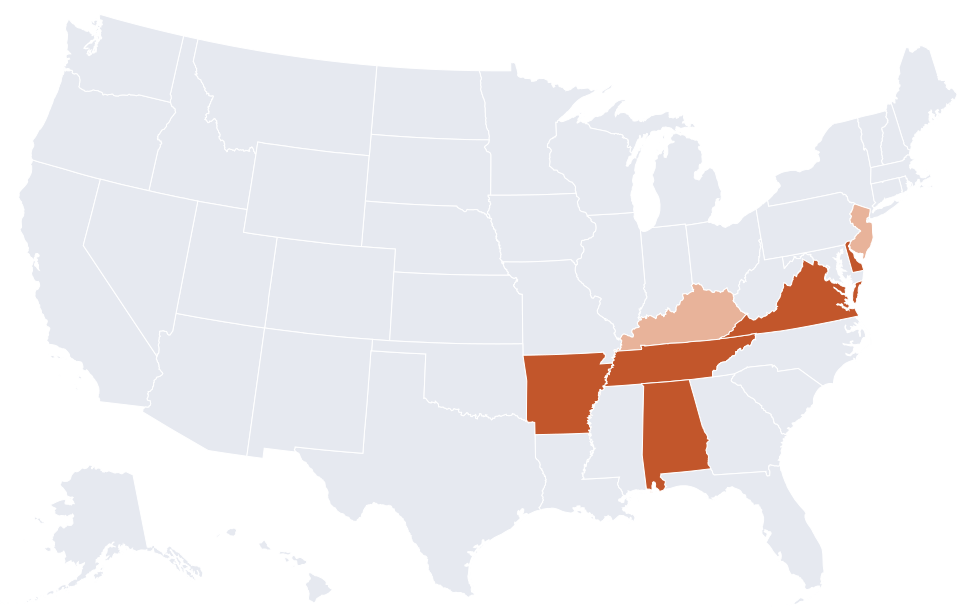
Five states let only their own residents ask for public records, and two more let anyone ask but only residents enforce. If you live in one of them, you hold something a journalist, a researcher or a campaign anywhere else cannot get: the right to ask. The Exchange connects people who have it with people who need it. Requests go out in your name, you are copied on everything, and you can revoke at any time.
Why
Where it matters
The public-records laws of these states limit requests to their own citizens; the Supreme Court upheld the arrangement in McBurney v. Young (2013). In Kentucky and New Jersey anyone may ask but only a resident can take an agency to court over a refusal. Everywhere else, anyone may ask — Georgia, Mississippi, Missouri, Oklahoma, Texas, Florida and the rest — though an agency that knows you are from out of state has no reason to hurry. Source: the Reporters Committee for Freedom of the Press, Open Government Guide.
In September 2026, two Arkansas school districts refused a request for their corporal-punishment policy because it came from out of state, and a third asked for proof of residency. Those are the requests this network was built to make.
How it works
- You sign up with your name, email and where you live, and attest that you are a resident. No documents at sign-up; if an agency ever asks for proof, you decide whether and how to provide it.
- You choose the scope. One campaign — right now, End School Corporal Punishment — or general, in which case every request is sent to you for a one-click approval before it goes out.
- Requests go out in your name from an address at foia.earthpilot.org that forwards to you. You are BCC'd on every message in and out. The campaign drafts, sends, follows up and files.
- Everything obtained is public. That is the point.
Sign up
Questions
Is this legal? Yes. A public-records request may be made by a resident for any reason; the law does not ask why, and a resident may ask on behalf of anyone. You are the requester; the campaign is your agent for the paperwork.
Could it cost me anything? Some agencies charge copying fees. The campaign pays them; no request is sent in your name that could obligate you to a fee without your approval.
What if an agency contacts me directly? Forward it to us, or answer it yourself — you will have the whole thread.
Is it paid? Not now. The founding idea is a network of people who support open government, lending what they have.